Ski and snowboarding travel insurance
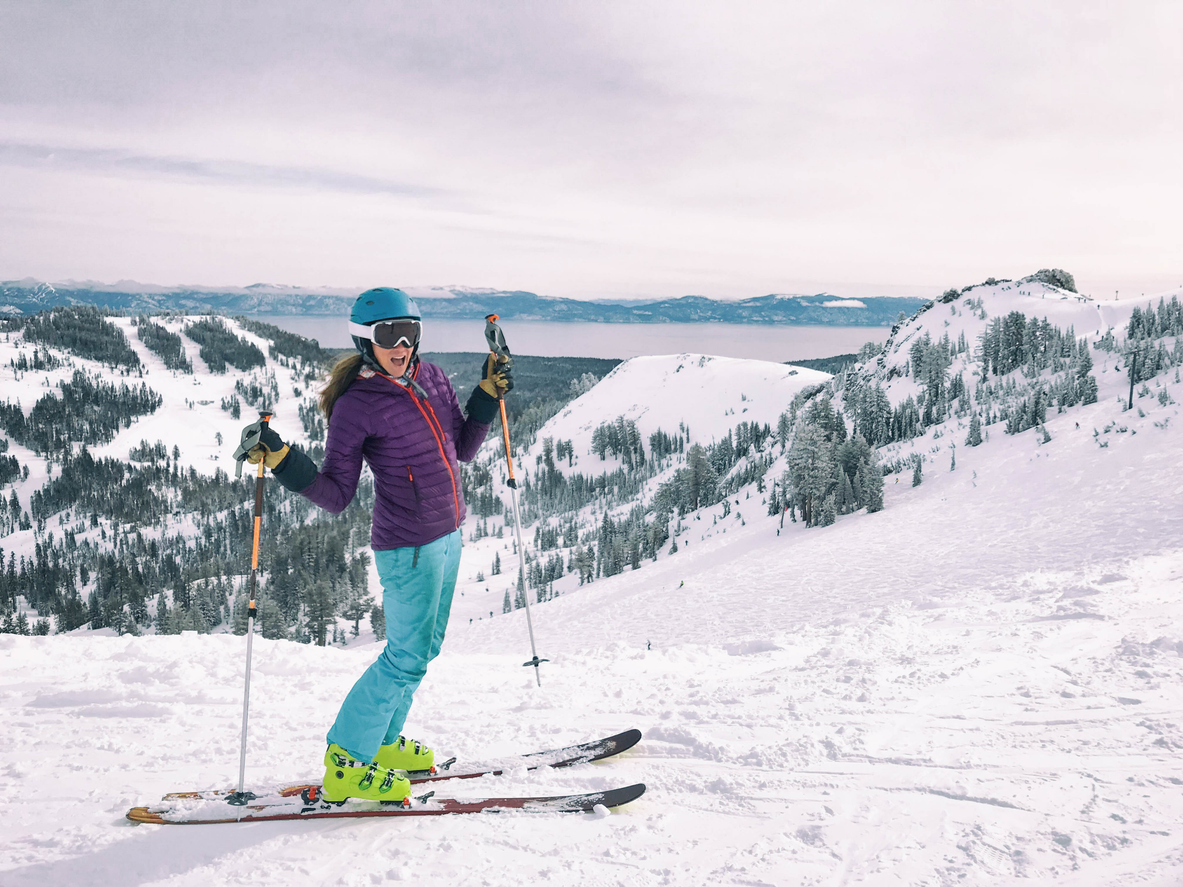
Skiing is an exciting sport, but it can also be risky. Having a travel insurance policy with ski coverage is essential to ensuring your safety and peace of mind and to enjoying everything a ski resort has to offer.
What is ski travel insurance?
Travel insurance with ski coverage is a policy that covers the risks associated with doing these winter sports. It is not a conventional travel insurance policy, as it covers specific items such as mountain-side rescue, medical care in the event of an accident and the reimbursement of services not used, such as an unused ski pass.
These insurance policies are designed for the most common situations that may occur on the mountain, such as accidents, adverse weather conditions or loss of luggage. They also provide cover for mountain-side rescue expenses, which is essential if you have an accident while spending your day in the snow.
What does ski travel insurance cover?
We detail the main coverages of the optional guarantees you can add to the SegurCaixa Adeslas travel insurance if you practice skiing. It does not cover incidents that occur off-piste or while engaging in extreme activities.
Medical and hospital expenses
Activated in the event that the insured party has an accident or becomes seriously unwell while skiing. It will be valid from the centre where you are hospitalised.
Crutch expenses
Reimbursement of the cost of the crutches, whether purchased or rented, up to the established limit.
Slope descent expenses
Covers the slope rescue service and transfer to the ski resort.
Reimbursement of ski pass and loss of materials
In the event of an accident or serious illness, unused ski passes, unattended pre-purchased classes, and damage or loss of rented or purchases ski materials are reimbursed..
Ambulance expenses
Covers ambulance transportation from the accommodation to the hospital.
Tips for skiing safely
The importance of using the right equipment
Using the right equipment is essential for avoiding injuries. Ensure you wear a helmet, protective goggles and thermal clothing to protect you from the cold. It is also important that your equipment is in good condition and adjusted to your size and level.
Knowledge of the slopes and safety instructions
Knowing the slopes is key to avoiding accidents. Always respect that instructions and signs and choose descents according to your level of experience. Avoid leaving the marked areas and pay attention to the information provided by the resort managers.
Weather conditions
Before heading out to the slopes, check the weather conditions. Bad weather, such as fog or intense snowfall, can increase the risk of accidents. If the conditions are not safe, it is best to wait or change your plans.