Declarar un siniestro de hogar
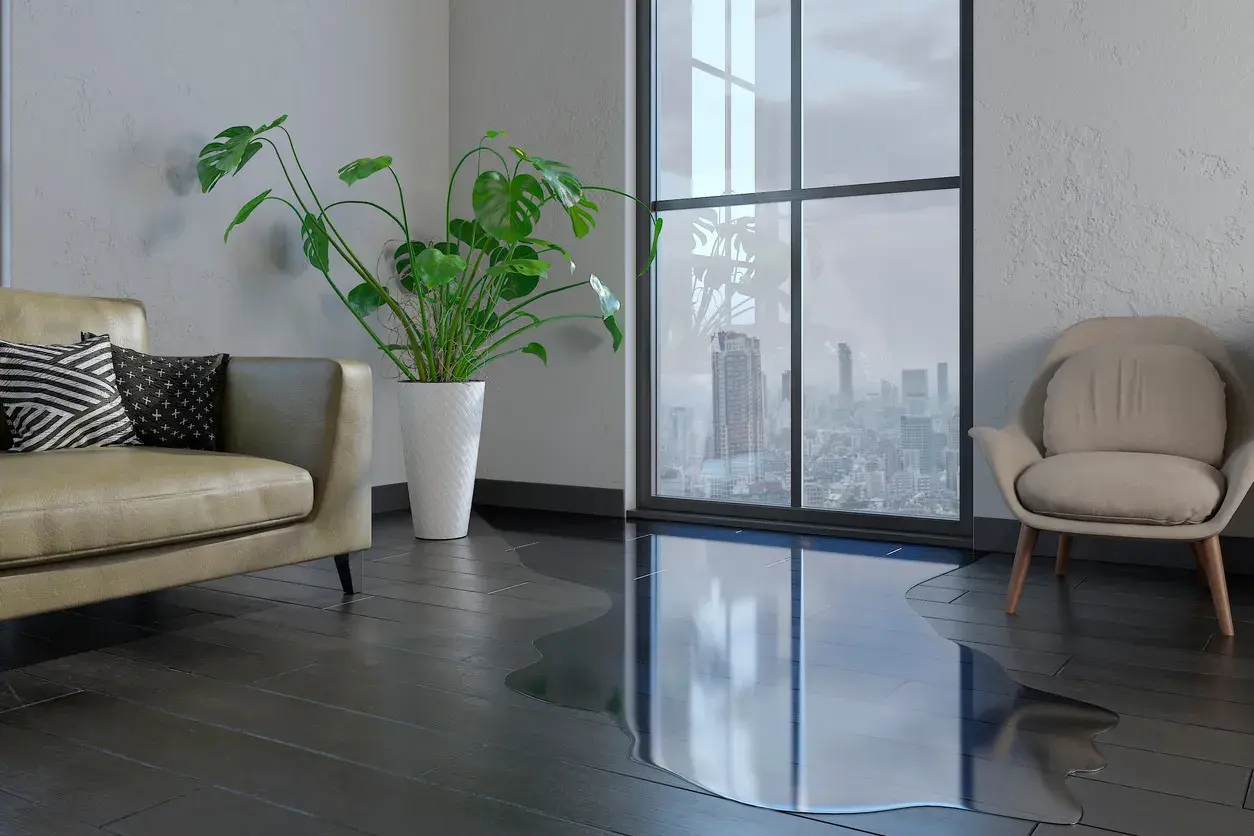
Report and track accidents that occur in your home online from your computer, tablet or mobile phone.

Declare claim


Teléfono para los afectados por incendios forestales

SegurCaixa Adeslas activa el protocolo especial para sus clientes afectados por los incendios forestales. Estamos a tu disposición para ayudarte en el teléfono  900 103 500

900 103 500


Declare claim

What is a claim?

A claim is any damage or loss caused by an event that occurs suddenly, accidentally and on an unexpected basis, with consequences set forth in the contract’s coverage. For example, the breakage of glass or a sanitary item as a result of a blow.

On the other hand, damage or breakages that occur due to the continued use and wear and tear as a result of the passage of time are not deemed to be a claim. For example, the chipping of paint over time.


Process to declare an claim

How can I declare a home claim?

  1. Declare it online from your Client Area

    If you cannot access your home or you do not have water or electricity, please call us.

    Access the Client Area 91 489 43 17 900 50 50 40

  2. Confirm your information and the details of the claim

    We will request your name, National ID Card, contact telephone number, policy number, date, time, place of the claim and the most detailed description possible of the circumstances and consequences of the claim.

    Furthermore, details related to the affected party (third party) or causer if any: insurance company, policy number, address, town and telephone number.

  3. Attach photos or documents

    Depending on the type of claim, you can attach photographs or documents that help you to detail what has occurred. In the event of theft or acts of vandalism, we will request the complaint filed to the authorities.

  4. Expert dispatch

    We may have to send a loss adjuster, based on the characteristics of the claim.

  5. Confirmation of coverage

    Once the damage and coverage have been confirmed, we will repair the damage if it is repairable or pay the amount of the repairs if they can be compensated, always in line with your coverage.

  6. Damage repair

    You can arrange an appointment with a professional or find one in which you trust. If you want to repair the damage by your own means, you only have to send us an estimate and photographs. In either case, you do not have to pay any money in advance.


Declare an claim

Tips following a claim at your home

Follow these recommendations to reduce the damage caused to your home and facilitate the resolution of the claim.

  • Take essential measures

    Take essential measures to minimise their consequences: turn off the gas or electricity or turn off the general water stopcock.

  • Assistance Service

    Should you require, you can call the home assistance service by telephone.

  • Caution with third parties

    Do not make any payments to third parties without having previously consulted the company.

  • Conserve the items that have been substituted

    Conserve the items that have been substituted to facilitate the subsequent loss adjuster’s appraisal.

  • Provide the information

    Provide the loss adjuster with as much information as possible, as well as any other details that may be of interest.

  • In case of a theft

    In the event of a robbery or hold-up, please file a complaint before the competent authority.
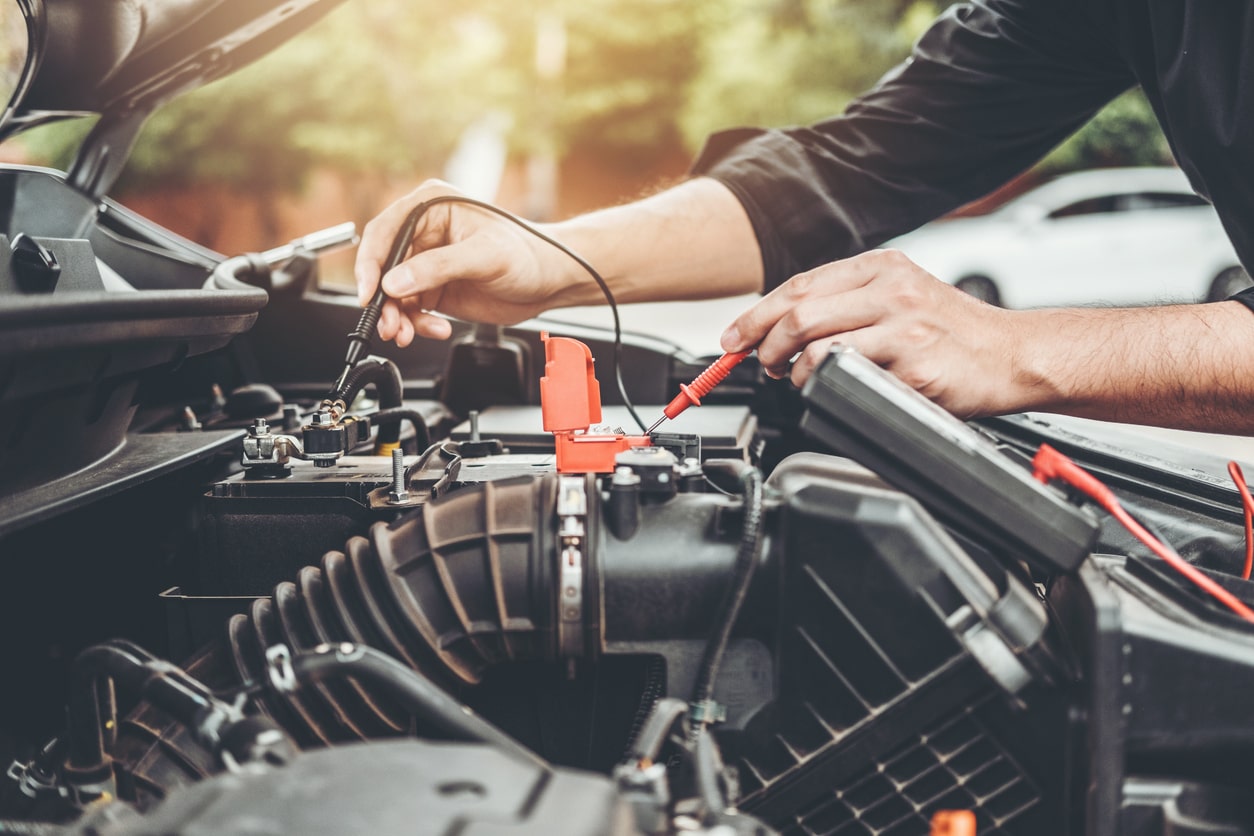
Basic mechanical tips

We want to give you some basic mechanical tips to help you to get out of a tight spot at any time and prevent unforeseen events.

Check the oil level

To verify the level of oil, you must park your vehicle on a piece of flat land and wait  for  the  engine to cool down. Locate the oil measuring rod and take it out, making sure that you clean it with a clean cloth. Then push it backwards in the dip tube until the end and remove it again. See where the level of oil reaches. If it lies between the two points of the measuring rod, the oil level is correct. If it is too low, add approximately 100 ml of new oil. Consult your user manual to know what type of oil your vehicle needs.

Measure the level of water and anti-freeze

For the cooling system to work perfectly, it must be at a certain level that you must check constantly. The coolant or the water boil each time you use your vehicle; therefore, it is important to check the water pump since, if it does not have the correct amount, the engine will begin to overheat and it will run the risk of melting. To do so, follow these steps:

  • Open the car bonnet and locate the radiator tap close to the front of the vehicle.
  • When you find it, you will see a warning sign that will tell you never to open the lid when it is hot.
  • Never touch the lid when the car is on or has been used recently.
  • The engine must be lukewarm or cold before being able to touch the water lid.
  • Use a cloth to turn the radiator lid with your hand. This will help you to protect yourself from the heat and to be able to have a better grip of the lid.
  • Look in the hole to see how much water and anti-freeze there are in the radiator. If it is full to the top, everything is perfect. If it is lower, you will need to add water and anti-freeze. Remember that both must be added in equal portions.

Measure the level of brake fluid

Brake fluid is a hydraulic liquid that makes it possible to transfer the force exercised on the brake pedal to the brake cylinders in the wheels. To measure it correctly follow these steps:

  • Find the brake fluid deposit situated in the brake’s master cylinder. The cylinder is in the back part of the engine on the driver’s side. A lid covers the deposit.
  • Check the level of brake fluid in the cylinder. You will see that the deposit is identified with clearly-marked maximum and low-level lines. Simply observe where the brake fluid is in comparison with the level markers.
  • If it is low, add a little bit more but do not exceed the level. Lastly, close the lid well.

Changing a punctured tyre

It is a basic repair provided that you have the necessary tools at hand (jack, spanner and fully inflated spare tyre):

  • Park your car in a safe place and check that the handbrake is activated to prevent your car from sliding.
  • Loosen the tyre screws with a wrench, but do not take them off fully.
  • Place the hydraulic jack under the area of the tyre that you are going to change and make sure you lift it up by the chassis and not by the bodywork.
  • Lift it up until there is a gap of four centimetres from the floor.
  • Fully remove the screws, but diagonally, when the vehicle has been lifted.
  • Remove the wheel, fit the new one and tighten the screws.
  • Lower the vehicle, take off the jack and ensure that the screws have been well tightened.

Tyres that have not been correctly inflated increase the possibilities of punctures and reduce fuel efficiency. Regularly control tyre pressure to detect problems in time.

Correctly interpret dashboard signs

It is important to know what our car is trying to tell us when a dashboard light is illuminated. Hence, always have the manufacturer’s manual at hand to be able to identify them and consult the meaning of these warning signs and know what to do in each case.

Check that your battery is in a good state

Your battery is one of the components that may be most affected when the vehicle is not moved for long periods. A flat battery may prevent your car from starting correctly and cause certain electrical systems to fail.

To check its state, follow these steps:

  • Ensure that your vehicle is turned off and parked in a safe place.
  • Put in the key or press the start button and check that the engine starts correctly.
  • Check that the indicator lights in the instrument panel illuminate correctly.
  • If you note that the start-up is slow or that the lights lose intensity, your battery may need recharging or replacing.
  • If you detect any anomaly, visit a specialised workshop for a full check-up of the electrical system.

Check the state of the tyres

The tyres are the only point of contact between your vehicle and the road, hence keeping them in a good state is essential for your safety.

To check them correctly:

  • Visually observe each tyre to check that they have no slashes, cracks or deformities.
  • Check that the tread is not excessively worn.
  • Check that no object has become lodged in the tyres that could cause a loss of pressure.
  • Although they are apparently in good condition, visit a petrol station or specialised centre to check your tyre pressure.
  • Also remember to check your spare wheel if your vehicle has one.

Check that your brakes work correctly.

Your braking system is one of the vehicle’s most important safety elements. Before embarking upon any journey, it is advisable to ensure that your brakes work correctly.

Perform a basic check following these steps:

  • Start your vehicle and observe the instrument panel.
  • Check that no warning lights remain illuminated with respect to the braking system.
  • Begin driving with caution and drive a few metres at low speed.
  • Press the brake pedal gently to check that the vehicle responds immediately and uniformly.
  • If you notice strange noises, vibrations or a deficient response, visit a workshop to carry out a check-up.

Check that your lights work correctly

Your lights enable you to see and be seen by other drivers, hence it is important to verify that they work before driving.

To check them correctly follow these steps:

  • Turn on the vehicle's ignition.
  • Check that your low beams/high beams, dipped headlights and main beams work.
  • Also verify that your indicator lights, brake lights and reverse lights work.
  • If possible, request help from another person or use the reflection of a wall to check your back lights.
  • Substitute any light bulb that does not work correctly before commencing a journey.


Do you need roadside assistance?

You can contact us 24 hours a day, seven days a week, on the following telephone numbers:

Alerts on meteorological phenomena

What must you do in each case?

Select the type of meteorological phenomena to see our recommendations to prevent ‌ car or ‌ motorbike accidents:

In case of rain

Car

  • Check that the windscreen wipers, brakes and lights are working correctly.
  • Reduce speed sufficiently to drive safely and use the brake gently.
  • Keep a safe distance to avoid colliding with the vehicle in front if it brakes in the event of an emergency.
  • Drive slowly, avoiding brusque movements and if you lose control of the moving vehicle, keep the steering straight, holding on tight to the steering wheel without accelerating or braking to prevent the wheels from locking.

Motorbike

  • Drive calmly and slowly.
  • Increase the safety distance and brake in a long, gentle manner.
  • Reduce your speed and, in the case of aquaplaning (pools of water), hold on firmly to the steering wheel without braking.

In case of wind

Car

  • Hold the steering wheel firmly and avoid brusque movements.
  • Reduce speed and increase safety distances.
  • Drive in the centre of the lane to avoid invading the opposite lane following an unexpected gust.
  • Avoid overtaking since, as a result of the screen effect, you may come close to, or even collide with, the vehicle that you want to overtake.
  • Pay great attention since there may be objects that the wind may have been able to drag onto the tarmac which could make the vehicle lose grip.
  • Hold the steering wheel with two hands, firmly and avoiding swerving or brusque turns.
  • Maintain gentle pressure on the steering wheel against the direction of the wind.

Motorbike

  • Hold the steering wheel firmly and avoid brusque movements.
  • Reduce speed and increase safety distances. Drive in the centre of the lane to avoid invading the opposite lane following an unexpected gust.
  • Avoid overtaking since, as a result of the screen effect, you may come close to, or even collide with, the vehicle that you want to overtake.
  • Check that you do not collide with objects that the wind has managed to drag onto the tarmac and which can make you lose grip.
  • Pay great attention since there may be objects that the wind may have been able to drag onto the tarmac which could make your motorbike lose grip.

In case of snow

Car

  • Remove all snow from the windows, mirrors and lights before starting off. Use a plastic scraper to remove the snow. Do not use hot water or salt.
  • To get out of a parking space in snow or ice, you should start up your car in second gear and get out little by little.
  • Make sure you have chains and know how to put them on if required.
  • Check that your windscreen wipers work correctly. Remember to leave them up when you park your vehicle outside.
  • Keep a greater safety distance with the vehicle in front, use high gears and avoiding braking. If you have to reduce speed, use your engine brake.
  • Drive over the tread of other vehicles.
  • If you are going on a long journey, take extra clothing, a torch and food and drink in case you have a breakdown. Fill up with petrol or charge your vehicle’s battery sufficiently.

Motorbike

  • Avoid using your motorbike in snow at all costs. If you can, travel in a four-wheel vehicle.
  • Try to avoid sheets of ice, but if they are unavoidable, while you go over them, let your motorbike go without performing any manoeuvre.
  • Avoid brusque manoeuvres, braking and accelerating.
  • Drive over the tread of other vehicles.
  • If it is necessary to brake, touch the back brake gently so as not to skid. The gas must be just the right amount necessary, and you must use the highest gears possible.

In case of storm

Car

  • Check that your windscreen wipers, brakes and lights are working correctly.
  • If the loss of visibility prevents you from driving safely, move on to the hard shoulder and turn on your hazard warning lights to indicate that you have come to a halt.
  • Do not get out of your vehicle - in the event of an electrical storm your car is the safest place. Turn off your radio.
  • The state of the tyres considerably affects the car’s grip on the tarmac when there are pools of water.
  • Circulate at low speed and brake gently.
  • Keep a safe distance to avoid colliding with the vehicle in front if it brakes in the event of an emergency.

Motorbike

  • Reduce the use of your back brakes to avoid skidding.
  • Use waterproof reflective clothing and a helmet with an anti-mist screen.
  • If the loss of visibility prevents you from driving safely, look for a tunnel to stop in and put on your hazard warning lights to indicate that you have come to a halt.

In case of fog

Car

  • Check that your lights are in a perfect state.
  • Turn on your front and back fog lights. DO NOT use high beams as they may dazzle other vehicles.
  • Reduce speed and increase safety distances. Take the road marks or other vehicles as a reference.
  • Prevent the glass from misting up by putting the heating on in your vehicle.
  • Avoid overtaking or stopping on the hard shoulder to prevent collisions with other vehicles.
  • Keep calm and drive in silence to be able to detect other vehicles through sound.
  • If necessary, touch the brake intermittently to warn other drivers of your presence.

Motorbike

  • Check that your lights are in a perfect state.
  • Do not use high beams as they may dazzle other vehicles.
  • Reduce speed and increase safety distances. Take the road marks or other vehicles as a reference.
  • Avoid overtaking to prevent collisions with other vehicles. Use waterproof reflective clothing and a helmet with an anti-mist screen.
  • If you cannot continue driving, it is better to come off at the first rest area or detour, but do not wait on the hard shoulder.

In case of costal alerts

Car

  • Avoid driving your vehicle along roads close to the beach front.
  • Stay away from areas that may become flooded and do not park your vehicle in them.
  • If you find pools of water, drive slowly, avoiding brusque movements and, if you lose control of the moving vehicle, keep the steering straight, holding on tight to the steering wheel without accelerating or braking to prevent the wheels from locking.

Motorbike

  • Avoid driving your motorbike along roads close to the beach front.
  • Increase the safety distance and brake in a long, gentle manner.
  • Stay away from areas that may become flooded and do not park your motorbike in them.
  • If you find pools of water, drive slowly, avoiding brusque movements and, if you lose control of your motorbike, keep the steering straight, holding on tight to the handlebar, turning off the gas and avoiding braking.

In case of cold

Car

  • Use a plastic scraper to remove ice from the windows, mirrors and lights before setting off. Do not use hot water or salt.
  • Make sure you have chains and know how to put them on if required.
  • If you are going on a long trip, fill up with petrol or charge your vehicle’s battery sufficiently.
  • Check that your windscreen wipers work correctly. Remember to leave them up when you park your vehicle outside.
  • Keep a greater safety distance with the vehicle in front and use high gears, avoiding braking. If you have to reduce speed, use your engine brake.
  • Take extra clothing, a torch and food and drink in case you have a breakdown.

Motorbike

  • Try to avoid sheets of ice, but if they are unavoidable, while you go over them, let your motorbike go without performing any manoeuvre.
  • Brake as far as possible by cutting off the gas.
  • Reduce the use of your back brakes to avoid skidding.

In case of extreme heat

Car

  • Check your vehicle’s air conditioning system.
  • Review your tyre pressure to avoid overheating.
  • Stop at least every two hours to rest and avoid drowsiness.
  • Wear comfortable fresh clothing and stay hydrated.

Motorbike

  • Review your tyre pressure to avoid overheating.
  • Stop at least every two hours to rest and avoid drowsiness.
  • Wear comfortable fresh protective clothing and stay hydrated.


What to do in the event of a claim?

  1. Declare the claim

    Online claim opening
    900 50 50 40
    91 125 98 49

    Don't know how to declare a claim?

    We explain it to you step by step


  2. If you need travel assistance

    Request roadside assistance

    Do you prefer call us?

    If you are calling from Spain: 900 30 19 00

    If you are calling from abroad: +34 934 63 11 69
     

Efficient driving | SegurCaixa Adeslas

Did you know that efficient driving reduces fuel consumption, reduces pollution, improves driving comfort, reduces risks and saves gasoline?Did you know that efficient driving reduces fuel consumption, reduces pollution, improves driving comfort, reduces risks and saves gasoline?Did you know that efficient driving reduces fuel consumption, reduces pollution, improves driving comfort, reduces risks and saves gasoline?Did you know that efficient driving reduces fuel consumption, reduces pollution, improves driving comfort, reduces risks and saves gasoline?

Plan your trip

A well-planned trip will allow you to reach your destination in the quickest, easiest and safest way and to save fuel.

Plan your trip

A well-planned trip will allow you to reach your destination in the quickest, easiest and safest way and to save fuel.

Vehicle maintenance

Before you set off on the road with your vehicle, control the main indicators that affect fuel consumption:

  • Engine diagnosis: Detects hidden breakdowns leading to increased consumption and polluting emissions.
  • Filter level control: The filters and levels are very important to keep an engine in optimum conditions.
  • Tyre pressure control: The lack of pressure leads the vehicle to offer greater resistance to the tread, hence, the engine must develop greater power to be able to place and keep the vehicle in movement.

If you are a MyBox Auto client, you are entitled to a free check-up of 20 security points for your vehicle at one of our partnership workshops by calling 91 991 78 21 from Monday to Friday from 8 a.m. to 10 p.m.

Efficient load distribution

Before setting off, more so if it is a long journey, you must streamline the volume and distribution of your load. It is not only a question of space. Driving with 100 kilos of unnecessary weight on board may lead fuel consumption, in an average-sized car, to shoot up by 6%.

Start-up and set-off

Turn on the engine without treading on the accelerator. If your car uses petrol, start off as soon as you turn on the engine. Otherwise, if it has a diesel engine, wait a few seconds before setting off.

Keep a uniform speed

Endeavour to drive smoothly, avoiding braking, accelerating and changing gears if not necessary. To decelerate, lift your foot off the accelerator and before pressing the brake pedal, if the situation permits, you can let the engine brake act first. If you must brake, do so gently and change gears as late as possible, paying special attention to downward slopes.

Do not keep your engine inactive

In prolonged stops, it is recommendable to turn off the engine, as an engine that is ticking over consumes fuel.

Air conditioning and windows

Air conditioning is one of the accessories that consumes the most fuel. It is recommendable to keep the temperature between 21 or 22 ºC. Driving with the windows down causes greater opposition to the movement of the vehicle. To ventilate the vehicle it is better to use your air conditioning devices.

Engine brake and slopes

If you let go of the accelerator when you realise you must brake, the fuel supply is almost halted, so your consumption is reduced by up to 2%. Use slopes to save in fuel consumption. Take advantage of the inertia to bring forward the change in gears by circulating at low revolutions.

Stopping and detention

In prolonged stops (above 60 seconds), it is recommendable to turn off the engine and provided that the speed and space so permit, you can stop your car without previously reducing gears.

Anticipation and review

Always drive with an adequate safety distance and an extensive field of vision that allows you to see two or three vehicles in front. When an obstacle or a reduction in the road speed is detected, lift your foot off the accelerator to anticipate the next manoeuvres.

Car insurance dealings

You can find all services and functions to manage and use your Car insurance policy through your Customer Area

Geolocalised

Geolocalised call to request travel assistance

Policy

Policy enquiries and management

About claim

Inclusion and consultation regarding any type of claim

Geolocalised

Geolocalised call to request travel assistance

Policy

Policy enquiries and management

About claim

Inclusion and consultation regarding any type of claim

Workshops aviables

Search for partnership workshops

Claim report

Attach the documentation required for claim management

Doubts and contact

Contact the claims broker and doubts resolution broker

Information and guides

Information and guides of interest regarding your policy and coverage


Enjoy the benefits of your SegurCaixa Adeslas car insurance

Workshop finder

Workshop finder

Enjoy the advantages of bringing your car to our collaborating workshops: Priority in repair and photo-peritation, collection and delivery of the vehicle to your home.

See collaborating workshops


Digital services and management

Friendly accident reports, information about your policy and ongoing procedures, request an appointment at collaborating workshops, report a claim and much more.

Find out more


Service compromise

Discover SegurCaixa Auto's service quality compromises.

Find out more

Things you didn’t know were covered by Home Insurance

Quite often people take out home insurance based on the premium cost or the main things it covers. However, each policy may have a range of services that you’re probably unaware of. Knowing them may not only save you money; they could also save you from some unforeseen event.


Home insurance coverages you probably weren’t aware of

Here's a list of coverages covered by many home insurance policies:

  • Theft outside the home

    Have you had your bag or mobile stolen while on the street? Some policies also include protection outside the home, especially in cases of theft. Make sure you check whether the policy covers only muggings (with violence or intimidation) or also simple theft. Some insurance policies even cover theft from gym or shopping centre lockers.

  • Broken glass

    We’re not just talking about windows: it can also cover shower screens, ceramic hobs, or even solar panels. A minor accident doesn't have to break the bank.

  • IT assistance

    If you’re having problems with your computer, Wi-Fi, or need help with a virus, there are policies that offer remote support. It’s even better if you use your computer for work... or if, simply, technology isn’t your thing.


    As well as technical support, some insurance policies offer help setting up devices, recovering deleted files, or even assistance monitoring children’s digital use at home. A great option for families with teenage children.

  • Key loss

    Who hasn’t left their keys in the door or lost them at some point? Some policies cover the cost of a locksmith and even changing the lock.

  • Refrigerated food

    An unexpected power cut could lead to an entire week’s shopping going to waste. Well, there are insurance policies that will reimburse you for the cost of those refrigerated foods if they spoil due to a power cut or electricity outage.

  • Pets

    Your insurance may include liability coverage in the event your dog, for example, causes damage to a neighbour’s home. It can come in handy and also save you the trouble of taking out pet insurance.

  • Legal defence

    You can count on legal support, for example, if you have a problem with your landlord, a neighbour, or even problems with a renovation.

  • Digital footprint erasure

    One of the newest coverages: If you’re a victim of cyberbullying, identity theft, or unwanted dissemination of your personal data, some policies offer services to remove your information from the internet.

  • Home handyman service

    Need to assemble furniture, hang shelves, or replace blinds? Some insurance policies come with a handyman service that covers small repairs or household chores that are often left unfinished. 

  • Replacement of official documents

    If your personal documents such as your ID or passport are lost of stolen, your insurance could help cover replacement costs and even provide guidance on how to go about the process. 


How to know if a home insurance policy covers these?

The best way to know exactly what your home insurance includes is to meticulously go through the contract you signed, in particular the policy’s specific and general terms and conditions. All coverages, grace periods, exclusions, and possible additional services are detailed there.

If you’ve already taken out insurance, you can carefully go through the policy document, consult your insurer’s customer service area, and call or write to your company. If you’re in the process of comparing insurance or thinking of taking out a new one, look at the sections on included coverage and additional options. Ask if there are services with an annual limit or deductible, and make sure you understand which coverages come as standard and which you can add for an additional fee.


And what isn’t covered by home insurance?

Although home insurance offers broad protection, there are certain situations that are generally not covered. The following are some common exclusions:

  • Damage resulting from normal use

    Or lack of proper maintenance of the installations.

  • Damage caused by phenomena

    Such as earthquakes or severe floods. They may require additional coverage from the Insurance Compensation Consortium.

  • Cosmetic damage not resulting from accidents.

    They are not covered if they are voluntary cosmetic changes, such as painting walls or refinishing furniture.

  • Undeclared high value items

    Things such as jewellery, artwork, or high-end technology must be specifically declared in the policy to be insured.

  • Professional activities carried out in the home

    Such as consultations or workshops, may not be covered and may require specific insurance.

Guide for declare or communicating a car insurance claim

How to report a claim?

  1. Report it online or by phone

    Log in to your Customer Area by going to Claim Opening or call from Monday to Friday from 8:00 to 22:00 and Saturdays from 8:00 to 15:00 at the following numbers:

    900 50 50 40

    91 125 98 49

  2. Deadlines for reporting a claim

    In the event of an accident involving your vehicle, you must notify us as soon as possible so that we can begin processing it. It is important to report the claim to the insurance company within a maximum period of 7 days if third parties were involved in the accident, or if it is a serious accident or a catastrophic risk.

  3. Have the documents ready

    We will ask you for the amicable statement and photographs of the accident and the damages.

  4. Have the police report available

    In case of theft, you must present it.

  5. Follow the status of your claim

    After reporting, you will be able to communicate with your claim handler and track its progress. You will also have access to the partner repair shop search tool.

    View partner repair shops

Tips to prepare your car for a long trip

Are you planning your first long trip by car? Are you preparing to travel with children? Are you going to travel with your pet? When the time approaches to plan your holidays, it is important to consider certain tips to enjoy your trip:

Check your vehicle before your holidays

This step is essential. Frequently checking your vehicle to ensure it is functioning correctly is necessary to avoid pointless risks. Before starting your journey, we recommend that you control the main indicators:

  • Check the oil level
  • Measure the level of water and anti-freeze
  • Measure the level of brake fluid
     

Travelling by car with your baby

If you are travelling with a baby, we provide you with some tips to make the journey easier:

Baby bag at hand

It is better to have everything you need always “at hand” for the trip: a bag with a change mat, nappies, a change of clothes, bibs, etc.

Rear view mirror

It is important to have a rear-view mirror to be able to see your baby, especially when you are travelling alone with them. Therefore, with a simple glance you can see that they are all right.

Accommodate the vehicle

Whether it is summer or winter and although it seems obvious, it is necessary to do so to avoid your baby suffering from brusque changes in temperature. If your vehicle is in the sun, open the windows and the doors, allow air to circulate, put on the air conditioning and when the “oven micro-climate” of your car has cooled down, then put your baby in the car and not beforehand. Babies are sensitive to heat exhaustion

Comfortable clothing and fresh water

This is basic. To travel by car with a baby, they must wear baggy, comfortable clothing made of natural fibres, such as cotton, which is soft, comfortable and transpirable. Furthermore, it is important for your baby to always remain hydrated.

Onboard entertainment

It is recommendable to keep your baby entertained during the trip. There are many babies which, as soon as they notice the rocking of the car, fall asleep. Others, however, do not want to miss anything that is happening around them. If your little one is among the latter, it is better to carry some of their favourite teddies or toys so that the trip is shorter. For example, a roll-up portable travel blackboard, which is easy to clean and with which they can entertain themselves if they are a little bit older.

Travelling with your pet

When we travel with animals by car, it is important to place them in their corresponding carrier. Furthermore, it is necessary to consider a series of indications:

When we travel with animals by car, it is important to place them in their corresponding carrier. Furthermore, it is necessary to consider a series of indications:

  • Always carry their documentation: The animal must have an official updated health card, stamped by an authorised vet. If you travel to the European Union, you must also take their pet passport. As always, the microchip will also be useful if your pet is lost.
  • Pet security:The traffic regulations state that animals must be correctly retained in the vehicle to prevent them from distracting you from driving. In the event of an accident, a loose pet multiplies the dangers, since they could be thrown out of the car, harming themselves or the remaining passengers. Hence, aside from the separator, it is advisable to use pet retention systems.
  • Without surprises: If you travel abroad, ensure that your driver’s licence is valid in the EU or anywhere you travel.

You can consult all the information required and the documentation that you need in this link:

Plan your trip

Before leaving, plan your route and inform of the state of the roads, avoiding those that are being repaired or conflictive or dangerous through roads.

Rest every two hours

Rest every two hours to quench your thirst and stretch your legs. Try and sleep well the night before. If you travel with any person that also has a driving licence, you can take turns driving.

Enjoy your trip:

Finally, enjoy your time behind the steering wheel and the landscape. Moderate your speed and remember that your car journey forms part of your holidays!

Finally, enjoy your time behind the steering wheel and the landscape. Moderate your speed and remember that your car journey forms part of your holidays!

We remind you that, should you require travel assistance, you can request it from your mobile telephone in your Customer Area, where we will geolocate your position to find your vehicle more quickly.

You can also contact us 24 hours a day, seven days a week, on the following telephone numbers:


Home Insurance: contents, buildings and other home insurance coverages

When taking out home insurance, it’s important to understand the difference between buildings and contents coverage. This definition outlines what the insurance policy covers and is key when filing a claim, such as for fire or water damage.

To understand what each type includes, how they are calculated, and why it’s so important to be aware of them before signing any policy.


Content and container

What does building refer to in home insurance?

In home insurance, building refers to the structural components of the property: including walls, ceilings, floors, and fixed water, gas, heating, or electricity installations. In other words, anything that is part of its structure. It also covers the garage, storage room, and any communal areas, provided they are within the insured property.

For example, if a water leak damages your parquet flooring or a short circuit affects the electrical system, these would be covered under the building part of the insurance policy.

What are the contents of a property?

Contents refer to all physical belongings stored in the home that are not permanently fixed to the property. In other words, it includes everything you could take with you when moving house—furniture, appliances, electronic devices, clothing, household items, jewellery, and even artwork, as long as they have been properly declared.

For example, if a fire damages your sofa, TV, or laptop, the insurance will cover the loss as long as you have contents coverage.


What’s the difference between building and contents?

What does each one protect?

As mentioned earlier, the key difference lies in what each type of coverage protects:

  • Building insurance covers the fixed and structural components of the property.
  • Contents insurance covers personal belongings and interior furnishings.

Both coverages provide complementary protection, and the best home insurance policies typically include both in a single policy. However, you can choose to insure just one of the two—for instance, if you’re a tenant and the landlord has already insured the building. Additionally, if you’ve rented a property and don’t own any furniture there, you can save money by opting out of contents insurance.

A simple rule to remember: imagine holding the property in the palm of your hand and turning it upside down; anything that doesn’t fall is considered part of the building. Built-in furniture or electrical appliances are considered part of the property’s structure.


How is the contents and building calculated?

  • How is it valued?


    • The value of the building is typically calculated based on the number of square metres and the type of property; house or apartment. Estimated reconstruction cost per square metre (excluding land value).
    • The value of the contents should be determined based on the possessions within the home. Drawing up a detailed inventory is recommended to avoid undervaluing or over-insuring your personal belongings.


    Accurately valuating contents and building alike is the key to ensuring that, in the event a claim is filed, the financial compensation is fair and closely matches the actual damage incurred.

  • What is aesthetic damage?


    Aesthetic damage refers to damage that affects the original visual appearance of a property and is caused indirectly, whether as a result of an accident or during the repairs made following an accident.
     
    For example, a water leak could damage the paintwork in an adjacent room, even if no direct work was carried out there. Home insurance policies often offer an option to add coverage for such damages in the insured property in the event of damage, for instance, if repairs need to be made in the bathroom and identical tiles are unavailable, all the tiles in that room can be replaced, up to the limit specified in the guarantee.
     
    It’s important to note that, for this coverage to be applicable, there must be a previous aesthetic harmony that can be restored. Otherwise, if a bathroom already has a mix of different tiles from previous repairs, you can’t claim to restore an aesthetic that was changed before the damage occurred.

  • What is underinsurance?


    This is when something is insured for less than its actual value.
     
    In cases of underinsurance, a proportional rule will be applied when settling a claim. This rule shall follow this formula:
     
    Compensation = Insured value x Amount of damages / Value of insured items.
     
    The opposite of underinsurance can also occur: when something is insured for more than its actual value, known as overinsurance. In such cases, the insurer will only compensate up to the actual value of the item, not the insured amount. This is because insurance is meant to compensate for actual losses incurred; it’s not a way for the insured party to make a profit.
     
    Now that you have a clearer understanding of these concepts, you can check out everything our home insurance has to offer here

Service commitments of SegurCaixa Auto

Discover the service quality commitments of SegurCaixa Auto

Extra protection with your insurance

6 service quality commitments

Road assistance in less than 1 hour

Road assistance in less than 1 hour

If your vehicle is immobilised due to an accident or breakdown in Spain, a crane service will be sent within 60 minutes* (once requested through the free travel assistance telephone number, on If your vehicle is immobilised due to an accident or breakdown in Spain, a crane service will be sent within 60 minutes* (once requested through the free travel assistance telephone number, on If your vehicle is immobilised due to an accident or breakdown in Spain, a crane service will be sent within 60 minutes* (once requested through the free travel assistance telephone number, on 

If your vehicle is immobilised due to an accident or breakdown in Spain, a crane service will be sent within 60 minutes* (once requested through the free travel assistance telephone number, on 900 301 900, available 24 hours a day). This service is also available for motorbikes and vans.

*Compliance with this commitment will not apply in cases of delays due to adverse climate conditions and/or cases of atypical traffic, nor assistance services on forest tracks, roads and other non-transitable pathways.

*Compliance with this commitment will not apply in cases of delays due to adverse climate conditions and/or cases of atypical traffic, nor assistance services on forest tracks, roads and other non-transitable pathways.

Express loss adjuster in 24 hours

Once the involvement of a loss adjuster has been requested, SegurCaixa Adeslas undertakes to send said loss adjuster to the workshop in less than 24 hours from the date on which the appointment is made with the workshop, within the customer services department timetable.

Express repair in 72 hours

Repair of the vehicle’s bodywork at one of the authorised workshops, in less than three working days, following the validation of the damage by a loss adjuster remotely or in person. 

This service will be effective for own damage coverage policies, in repairs under €500, which do not involve the replacement and/or supply of spare parts, and provided that SegurCaixa Adeslas agrees to pay it. 

*Multiple claims are excluded, in accordance with the definition included in the Policy definitions clause for “multiple claims”.

Direct repair authorisation

Direct authorisation for those repairs that involve the substitution of windscreens or bodywork repairs to the insured vehicle at partnership workshopsunder €300 whose repair SegurCaixa Adeslas agrees to cover. 

Following the notification of the claim and the repair work to be performed at the authorised workshop, the workshop can commence the repair or substitution without the need for a loss adjuster to intervene remotely or in person.

Payment of indemnity in 48 hours

We compensate claims covered by the policy in 48 hours from the correct delivery of all the documentation to SegurCaixa Adeslas.

In the case of total theft, the 48-hour period will commence after the 40 days set in the policy for these cases.

Review of 20 safety points

Vehicle check at any time of the year, through the partnership workshop network. The safety points to be reviewed are as follows:

  • Internal items (level of engine oil, level of coolant liquid, level of brake and clutch fluid, level of windscreen wiper fluid, state of auxiliary belts).
  • Lighting (hazard lights/emergency lights, brake lights, reverse lights, low beams/high beams, headlight and fog light adjustments).
  • Tyres (state, pressure).
  • Braking/suspension/steering/transmission/exhaust pipe (shock absorbers, steering response, brake pads, tension of hand brake, leakages).
  • And other items (windscreen wipers, safety belt).

And once the checks have been made, the workshop will deliver a report with the findings and the possible anomalies detected. If you want to repair the anomalies detected at the same workshop, you can request a quotation.

To request your free check-up of the 20 safety points, please call 91 991 78 21, from Monday to Friday from 8 a.m. to 10 p.m.

How to request compensation for a breach of service commitments

  1. Call us to request it

    If you need to request compensation for a breach of any of the Car Service Commitments, except the (Free check-up of 20 points of vehicle security)
    from Monday to Friday, from 8 a.m. to 10 p.m. 91 991 78 21

  2. We will study the case

    SegurCaixa Adeslas will examine the case and will directly manage the application with the client and, if applicable, the management of the economic compensation of €200.

SegurCaixa Auto Service Commitments shall only apply to those policies that expressly include them in the contract, in accordance with the specific and general terms and conditions accepted by the customer at the time of contracting.

Subscribe to