Roadside assistance guide

For worry-free travel, your SegurCaixa car insurance policy provides you with the most extensive protection and an excellent service. Provides you with the most extensive protection and an excellent service.

Should you require roadside assistance or a tow service, you can request them at any time from your mobile telephone in your Customer Area or calling 900 30 19 00 (assistance in Spain) or at +34 934 631 169 (assistance abroad). . We will geolocate your position in the call to find you more quickly and we will assist you as soon as possible with on-site aid, a tow truck, fuel supply or to help you with any other problems that may occur.

Below we inform you about the main insurance coverage with which you can plan your trip with peace of mind:

Assistance to the insured vehicle*

  1. Towing of the vehicle to a workshop.
  2. Towing of the vehicle off ordinary roads.
  3. Fuel supply.
  4. Towing of electric vehicles to the nearest charging station.
  5. Tyre replacement in the event of a puncture, robbery or vandalism.
  6. Mechanical advice by telephone.
  7. Transfer or repatriation when you are abroad in the event of a breakdown, accident or robbery.
  8. Obtainment and dispatch of duplicate keys in the event of the loss or theft of the keys to the insured vehicle.
     

*Information subject to the general, specific and special conditions of each policy. 
 

Travel assistance to people*

  1. 1Transfer, repatriation and assistance to people as a result of a breakdown, accident, theft or robbery of the vehicle.
  2. Expenses incurred during the transfer of domestic pets owned by the insured party.
  3. Sending of a professional driver if the vehicle’s driver has been incapacitated and the vehicle’s remaining occupants cannot replace him/her.
  4. Early return in the event of death or serious illness of a family member.
  5.  Early return in the event of a claim at the home of the insured party.
  6. Legal assistance expenses abroad if, as a result of a road accident abroad, legal action was taken against the insured party.

*Information subject to the general, specific and special conditions of each policy. 
 

Emergency medical assistance*

  1. Medical consultation by telephone 24h x 365 days a year.
  2. Medical, surgical, pharmaceutical and hospitalisation expenses abroad.
  3. The cost of medicines prescribed by a doctor.
  4. Odontological expenses abroad following an accident, up to a maximum amount of 200 euros.
  5. Accompanying minors and disabled persons.
  6. Expenses for prolonging stay in a hotel

*Information subject to the general, specific and special conditions of each policy. 
 

Replacement vehicle*

Optional coverage whereby in the event of the robbery, fire or immobilisation of your vehicle following an accident and, provided that the duration of the stay at an authorised workshop exceeds 24 hours, we will provide you with a free replacement vehicle.

*Information subject to the general, specific and special conditions of each policy. 
 

Additional information:

How long does the SegurCaixa tow truck take to arrive?

We undertake to reach the place of the mishap in a maximum period of one hour from the assistance request, in any town and point on the ordinary road network in Spain. 

How can I see where the requested tow truck is situated?

Once you have requested a tow truck, you will receive an SMS in the mobile telephone indicated, with a link in which you will see a map of the journey in real time until the tow truck reaches the place at which your vehicle is located.

Health Insurance Tips

Factors to take into consideration when it comes to choosing your medical insurance policy

Not all medical insurance policies are the same. There are a range of health insurance policies ranging from basic to policies with maximum coverage and protection. That’s why it is so important to familiarise yourself with the various features.

Not all medical insurance policies are the same. There are a range of health insurance policies ranging from basic to policies with maximum coverage and protection. That’s why it is so important to familiarise yourself with the various features.

Primary healthcare

This specialism consists of healthcare provided by a doctor, paediatrician or nurse. The Adeslas Primary Healthcare cover includes the following features:

  • General medicine. Assistance at a clinic or at home.
  • Paediatrics. Assistance for children under 14 years of age.
  • Nurse’s office. Service at the clinic and also at home if the patient is bed-bound and after authorisation from an Adeslas-approved physician.

Medical specialisms

Undoubtedly, one of the main benefits of taking out health insurance is the option to access a medical specialist directly, without needing to have a consultation with a general practitioner to refer you. In this regard, the provision encompasses multiple specialisms ranging from allergology to urology to cardiology, surgery, endocrinology and nutrition, ophthalmology, oncology, traumatology, etc.

If you are not too sure which doctor to choose, it is important to pay close attention to the medical specialisms in each type of policy. The more you have, the better.

A&E

If you have ever wondered how to go about selecting a medical insurance policy, it is also essential that your insurance includes healthcare for emergency situations:

  • Firstly, emergency care in permanent A&E centres (24 hours).
  • And secondly, emergency care at home should the patient so require.

Hospitalisation

If you are ready to take out health insurance, it is a good idea to select a medical insurance policy with hospitalisation. This refers to the medical care that a patient receives while admitted to a hospital centre, after this has been prescribed by an approved specialist.

Insurance policies cover different kinds of hospitalisation:

  • Obstetric hospitalisation (deliveries).
  • Medical hospitalisation without surgical intervention.
  • Surgical hospitalisation.
  • Paediatric hospitalisation (for children under 14 years of age).
  • Hospitalisation in an Intensive Care Unit (ICU).
  • Psychiatric hospitalisation.
  • Day hospitalisation (for admissions under 24 hours).

Dental insurance

One of the most frequently-used medical insurance policies is for dental cover. Dental care is provided in different ways:

  • Through the insurance company’s own clinics
  • Through preferential dental clinics 
  • Other approved dental clinics

With each of these, the insured party will be entitled to a series of free dental services, and will need to pay the cost established for any dental care provided by the professionals.

Medical team

In view of the above, another essential factor when it comes to selecting a medical insurance policy, is to have a list of professionals and healthcare centres, either the insurer’s own or those that have been approved by them, which are available to the insured parties.

  • This is what is known as the medical team.
  • The list should state the address, customer service telephone number and opening hours for each professional or healthcare centre.

Refunds

Since we already discussed the insurer’s medical team, we should also deal with the option to access whichever professional we choose without them being included on the list of specialists or medical centres linked to the insurance company. Let’s look at what medical insurance with refunds consists of:

  • For some healthcare options, the insurance companies enable the insured parties to be cared for by professionals and medical centres that are not part of their medical team.
  • Once the insured party has paid the bill, they can request a percentage of the money back from the insurer (according to the provisions set out in the policy’s general conditions and up to the maximum limit established).
  • To receive a refund for the expenses, the original invoice will need to be presented on behalf of the insured party, as well as any medical reports and/or prescriptions, within a certain timeframe.

Co-payments

Speaking of payments, co-payments involve paying a small amount of money on top of the insurance premium for the use of certain medical services included in the policy.

  • Health insurance with co-payment fees is a common option with insurance companies and it enables holders to balance out the premium.
  • More simply: like coverage, medical insurance policies with co-payment fees are cheaper than medical insurance policies without co-payment fees.

Waiting periods

Continuing with factors that you should be aware of when it comes to selecting a medical insurance policy, something that is common with this kind of policy is the establishment of waiting periods. A waiting period is the time that an insured party must wait, once they have taken out their health insurance, before requesting any medical tests or interventions.

Exclusions and limitations

Lastly, as with other types of insurance, with every medical insurance policy, there are exclusions and limitations that are worth knowing about.

  •  Exclusions. These refer to services, treatments, diagnoses, etc. that the medical insurance does not cover. Exclusions include dealing with pre-existing conditions which have not been declared in the health questionnaire to be filled in before signing the policy, but which the insured party is aware of. It may also be the case that these conditions would be excluded from the cover even if they had been acknowledged in the form.
  • Limitations. Similarly, insurance policies have limits. For example, in regard to the scope of certain provisions or in terms of the refund for medical expenses.

Our insurance plans

If you are unsure, this guide explains how to choose a health insurance policy, from the main factors to take into consideration to the best tips for taking out an insurance policy that best meets the needs of you and your family. And of course, Adeslas private medical insurance can be adapted to every healthcare need. What are you waiting for? Find out more about our policies.

Tips for selecting the best medical insurance policy for you and your family

Having reached this far, we trust that you now have a better idea about how to choose a medical insurance policy. Putting the following tips into practice will also help you find the medical policy that best meets your needs.

Adeslas GO. Outpatient medical insurance, with limited co-payment fees, that covers essential needs and includes high-tech diagnostic methods. There is no need to fill in a health questionnaire.


Adeslas PLENA. Includes a wide range of full healthcare insurance policies, with or without co-payment fees, which are available with four different options: 


ADESLAS SENIORS. This product has been specifically designed for people aged between 55 and 84, providing access to healthcare that is more comprehensive with co-payment fees and offering personalised service through the Medical Advisor. This product has two options (SENIORS annual and PLENA TOTAL SENIORS long-term).


WITH REFUNDS. And the PLENA EXTRA 150 MILPLENA EXTRA 240 MIL and PREMIER insurance policies that combine the medical team with the refund option for expenses both in Spain and in the rest of the world.

With this wide and varied selection, Adeslas makes it easy to take out an insurance policy that is tailor-made to you. Assess your needs or those of your family and choose whichever one best suits the healthcare you are going to need.

Assess the budget you have

And as you consider how to choose a medical insurance policy, you should also calculate your budget. The health insurance premium obviously varies depending on different factors: the number of insured parties, the type of cover, the age of the people included in the policy, whether or not it includes co-payment fees, etc.

And as you consider how to choose a medical insurance policy, you should also calculate your budget. The health insurance premium obviously varies depending on different factors: the number of insured parties, the type of cover, the age of the people included in the policy, whether or not it includes co-payment fees, etc.

If you would like to find out how much a health insurance policy would cost at Adeslas, you can find more information at our sales branches or by calling 900 50 50 40.
.

What other benefits should I take into consideration?

Finally, when you are taking out health insurance, it is worth noting if the policy has any added benefits. Finally, when you are taking out health insurance, it is worth noting if the policy has any added benefits. For example:

  • Online medical care. Remote consultations, video consultations and online medical advice.
  • Online health services. Online authorisations and refunds, digital cards and electronic prescriptions.
  • Customer service. Service channels for insured parties to make any enquiries 24 hours a day.
  • Discounts. Programmes that enable holders to save on health and wellbeing products and services.

With all the above, we hope we have been able to help you discover how to go about choosing a medical insurance policy. Remember: once you know what type of healthcare you are going to need, analyse the different Adeslas medical insurance policies and select whichever one best meets your needs and budget. We take care of looking after you!

Adeslas pregnancy, childbirth and postpartum coverage

Discover the Adeslas pregnancy, childbirth and postpartum coverage, for your peace of mind and continuous support during these pivotal moments in your life. Find out how our specialised gynaecological care accompanies you from gestation right the way through until after your baby is born, ensuring that both of you receive the best possible medical care.

What does the Adeslas gynaecology service cover?

At Adeslas, we know just how important it is to be monitored by a good gynaecologist during pregnancy. Our gynaecology service is designed to be by your side every step of the way. You will be covered for the following:

Adeslas pregnancy coverage

  • Personalised antenatal care. The gynaecologists in our medical team closely follow up on and adapt to each woman's needs.
  • Ultrasound and tests necessary to monitor foetal development. Coverage includes all ultrasounds required to monitor foetal development. This also includes any additional tests recommended by specialists, such as prenatal Cell-Free DNA Screening and Doppler ultrasound.

Adeslas childbirth coverage

  • Assistance during childbirth, whether natural or caesarean section. Adeslas provides comprehensive assistance during childbirth, covering natural childbirths and caesarean sections alike. This includes the presence of a specialised medical team made up of gynaecologists, midwives and, if need be, anaesthetists to ensure that mother and baby receive the best possible care.
  • Monitoring and care during childbirth. Real-time monitoring is of utmost importance to ensure the health of mother and baby during labour. Adeslas provides fetal monitoring to detect any complications early. What’s more, the mother’s well-being is continuously monitored throughout the process.
  • Private rooms for greater comfort and privacy. To make the experience as intimate and comfortable as possible, Adeslas provides single rooms in hospitals. They are equipped to ensure a calm and comfortable environment, fostering a relaxed childbirth experience.

Adeslas postpartum coverage

  • Postpartum mother and baby check-up. After giving birth, Adeslas offers a comprehensive check-up for mother and baby. This includes medical evaluations to ensure that both are recovering properly and to rule out any postpartum complications.
  • Breastfeeding support. Adeslas provides breastfeeding support on its free App for the insured. We also offer a subscription to LactApp Plus, the number 1 breastfeeding and maternity app with daily content on pregnancy and with a team of health experts to answer questions.
  • Postpartum counselling if deemed necessary. Postpartum can be an emotionally challenging period. Which is why Adeslas provides counselling to help mothers deal with any mental health problems that may arise, such as postpartum depression or anxiety. In this regard, we have a psycho-emotional counselling service through which the patient can receive three consultations with a psychologist to assess her situation and determine whether she needs further monitoring.

Is there a waiting period before I can take advantage of these services?

When taking out health insurance during pregnancy, the following waiting periods apply:

  • Follow-up during pregnancy and advanced diagnostic tests: 3 months.
  • Childbirth and caesarean sections: 8 months. In the case of surgical interventions and obstructed labour occurring in a life-threatening emergency, the waiting period does not apply, nor does it apply to premature births (births before the 28th week of gestation).
  • Genetic testing: 3 months.

For this reason, it is of utmost importance to take out health insurance in advance if you plan to have a baby. This ensures you will be fully covered during this important period. 


Does Adeslas cover family planning treatments?

Yes, family planning treatments are covered by Adeslas insurance. This covers anovulation therapy, IUD implantation and monitoring, including the cost of the device. What’s more, Adeslas also covers tubal ligation and vasectomy as part of family planning. Please note that some services may require co-payments depending on the policy and may also be subject to specific conditions.

How can I find a gynaecologists with my Adeslas health insurance?

  1. Access the medical directory

     It’s in the ‘Medical Insurance Pool’ section. Here is the direct link:

  2. Search for specialists

    Once in the medical directory, you can filter the search by speciality, in this case, gynaecology. You can also specify your location to find gynaecologists near you.

  3. Choose a doctor

    Go through the profiles of available gynaecologists and choose one that suits your needs. You can view details such as address, opening hours and, in some cases, book an appointment online.

FAQs

Blood pregnancy tests are included in Adeslas’ health insurance, covered by gynaecology and obstetrics, provided that they are performed in clinical analysis laboratories within Adeslas’ medical directory. 

Yes, with Adeslas insurance you can choose the hospital where you want to give birth, provided it is part of the Adeslas medical directory. We have an extensive network of more than 200 private hospitals, so you can choose wherever you’d like to give birth according to your needs and preferences.

The Adeslas App has exclusive information for each stage of pregnancy and postpartum. On the App's family health programmes you can avail of accompaniment services, nutrition plans, physical activity courses during pregnancy and postpartum, not to mention advice on how to look after your baby.

Adeslas PLENA TOTAL and Adeslas PLENA PLUS are medical insurances without co-payments. If you have taken out an Adeslas GO policy, you will have to bear co-payments for services such as preparation for childbirth (€70), and some therapies and diagnostic aids, as specified in the terms and conditions. Please note that, in the second year, co-payments are reduced by 25%. Also consult the Adeslas PLENA VITAL co-payments.

Osteopathy: Does medical insurance cover this?

Osteopathy is a set of techniques and treatments that have become increasingly popular in recent years due to the multiple health benefits. This therapeutic approach is particularly popular among people seeking to alleviate muscular and joint pain. So, it’s no wonder people want to know whether health insurance covers osteopathy treatments.

Below, we will explain what osteopathy is, how it is different from physiotherapy, which treatments Adeslas covers and how to find an osteopath through your Adeslas Medical Team. We will also discuss session limits, the importance of looking after our health and well-being and of lowering pain through manual techniques.

What is osteopathy and what are its benefits?

Osteopathy is a type of therapy that focuses on the diagnosis and treatment of dysfunctions in body systems through non-invasive manual techniques. Unlike other therapeutic interventions, osteopathy proposes a holistic approach, treating the body as a functional, interconnected unit. Its main aim is to restore balance and harmony between body structures to improve the patient’s health and general well-being. So, it is very effective for muscular-skeletal system disorders such as pain in the back, neck and shoulders, but also for discomfort during pregnancy and sports injuries.

Osteopathy has also been shown to be highly effective at treating sprains, muscle cramps, loss of feeling in the extremities, tendinitis and problems stemming from scoliosis or poor posture. Bear in mind that, even though osteopaths have been relatively successful in treating migraines, painful menstruation and depressive disorders, there is no conclusive evidence that supports osteopathy as an effective treatment in these cases. In terms of digestion, osteopathy is also useful for treating irritable bowel, certain hernias, constipation and gastritis. It is also successful in dealing with problems such as incontinence, cystitis, discomfort stemming from menopause, asthma and bronchitis.

The main benefits of osteopathy are:

  • To alleviate pain

    By using structural osteopathy techniques, osteopaths can alleviate muscular and joint pain, both one-off incidents and chronic disorders.

  • To improve mobility

    Manual therapies improve flexibility and joint mobility, encouraging increased freedom of movement.

  • Treating sports injuries

    Osteopathic treatment for sports injuries aim to accelerate the recovery process, alleviate pain and identify any imbalances in the body that might be aggravating the injury.

  • General health

    By improving the function of the body’s systems, osteopathy promotes general well-being and helps to prevent future ailments.
     

How is it different from physiotherapy and chiropractic adjustment?

Even though osteopathy, physiotherapy and chiropractic adjustment share certain similarities, each one has different approaches and techniques.

The main difference between osteopathy and physiotherapy lies in their approach and treatment philosophy. Osteopathy adopts a holistic approach, treating the body as an interconnected unit, searching for the root cause of problems to correct them through manual techniques. This discipline includes not just the muscles and bones, but also the internal organs and other body systems to reach overall balance. On the other hand, physiotherapy is more analytical and is focussed on physical rehabilitation through therapeutic exercises, movements, massages and other physical techniques. Its main aim is to improve mobility and to alleviate pain using methods based on scientific evidence. Even though both disciplines can be complementary, their perspective on diagnosis and treatment is what distinguishes them, with osteopathy being more general and physiotherapy more specific in locating physical dysfunctions.

The differences between osteopathy and chiropractic adjustment lie in their approaches and techniques. Osteopathy focuses on a general understanding of the body, searching for balance between all the different systems (musculoskeletal, nervous, visceral) using slow, gentle manipulations. Osteopaths believe that one part of the body can impact other parts, which is why they have a holistic approach to treatment. Chiropractic adjustment, on the other hand, focuses mainly on the spine and its relationship with the nervous system. Chiropractors make quick, specific adjustments to the vertebrae to correct misalignments, with the aim of improving the nervous function and alleviating pain.

In conclusion, physiotherapy, chiropractic adjustment and osteopathy all aim to reduce pain, but they do so with slightly different approaches.


Frequently asked questions

Even though osteopathy is not covered by the insurance policy, this additional service can be accessed by paying an excess directly to the professional. From the Additional Service tab in the Adeslas medical team you can find a list of professionals in different provinces.

Osteopathy services at Adeslas range from initial consultations to continual follow-ups. The treatments available include articular, cranial and visceral osteopathy, complemented with the opportunity to speak with other health specialists. This approach ensures comprehensive, personalised treatment.

The waiting period is the time that needs to pass after taking out health insurance before you can access certain services. As regards osteopathy coverage at Adeslas, there is no waiting period. So, you can contract the services of an Adeslas osteopath from the additional services tab.

To find an osteopath who has formed an agreement with Adeslas, you can access the medical team in your Customer Area. In the “Additional services” option, choose “Osteopathy” and you will be offered a list with all the professionals and clinics available. You can filter the search by specialty and location to find your closest osteopath.

Osteopathy is an excellent option for those seeking to alleviate pain naturally and to improve their general health and well-being. Using manual therapies and a holistic approach, osteopaths can treat a wide range of health problems. Health insurance policies like those from Adeslas also give you the option to undergo multiple osteopathy treatments, enabling more people to benefit from this technique.

Surgery for short-sightedness: does health insurance cover this?

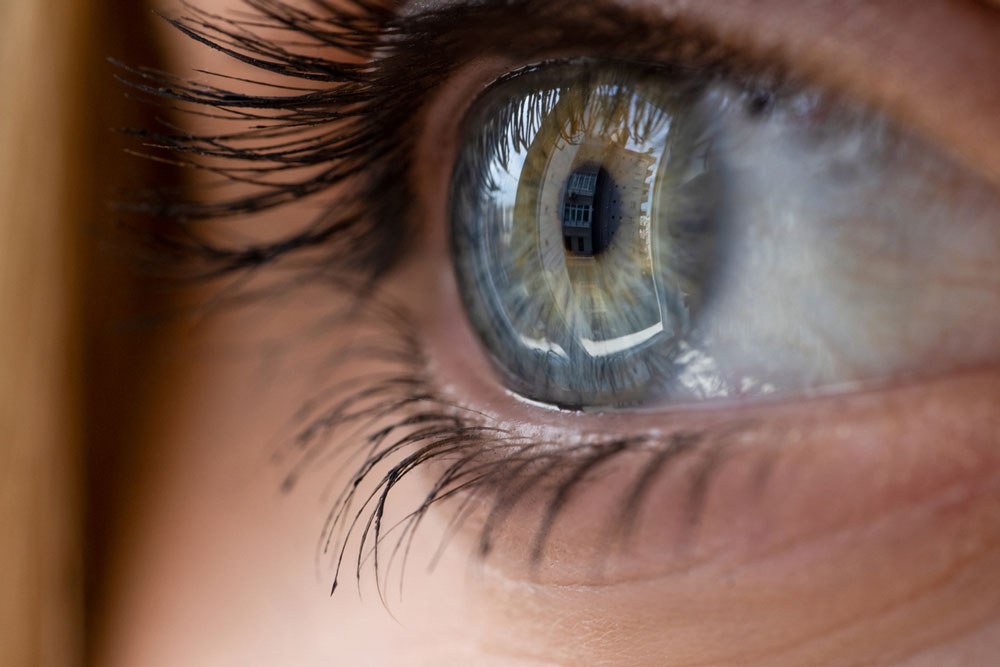
According to retina specialists, a third of the population has problems with seeing objects that are far away. This is what is known as short-sightedness, or myopia. And this kind of refractive error can lead to complications that, if not treated in time, can become irreversible in some cases. That’s why, when it comes to enjoying good eye health, many people wonder whether medical insurance covers surgery for short-sightedness.


Does Adeslas’ health insurance cover surgery for short-sightedness?

Affordable refractive surgery

Undoubtedly, refractive surgery is a significant advance for treating those who suffer from short-sightedness, long-sightedness, astigmatism and presbyopia. Adeslas has come to an agreement with some ophthalmologists and ophthalmology clinics so that its customers can have access to a more competitive price for these vision correction surgeries.

  • With eye surgery, it is possible to make the light focus correctly on the retina so that patients can enjoy clearer vision.
  • And by modifying the eye’s refractive status, we can try to eliminate the use of glasses or contact lenses.


Surgical techniques

Nowadays, refractive surgery involves a precise surgical technique that uses an excimer laser or excimer lasers to correct the short-sightedness simply and painlessly using two different procedures:

  • LASIK. This is the most common method. With this method, vision can be recovered simply and quickly. Results are often obtained very quickly and they are often very good.
  • PRK/LASEK. Although less common, this procedure makes it possible to operate on patients with vision problems who cannot be treated with LASIK because their cornea is very thin or fragile.

Advantages

This kind of intervention is highly advanced and effective. Among others, it has the following benefits:

  • It does not require the use of surgical materials.
  • The patient can have the procedure under local anaesthetic.
  • It lasts between 10 and 15 minutes.
  • It does not require sutures, nor does it lead to any post-operative pain.
  • And your vision will return to normal immediately.

Special rates

In terms of whether medical insurance covers surgery for short-sightedness, Adeslas’ insurance policies do not cover this surgical intervention. However, in our effort to provide the best service to insured parties, we enable patients who want to have surgery for short-sightedness to do so at clinics with special rates for SegurCaixa Adeslas, by paying an excess to the provider.
 

Why does medical insurance not cover surgery for short-sightedness?

It is important to understand that because this is type of surgery is voluntary, neither social security nor insurance companies cover surgery for short-sightedness, although Adeslas does offer benefits to insured parties that proceed with the intervention, as explained below.

Despite this, it is a good idea to take out private health insurance if you want to look after your sight:

  • All Adeslas health insurance policies include ophthalmology check-ups with no waiting period.
  • Through our health policies, insured parties benefit from a broad ophthalmology coverage provided by the SegurCaixa Adeslas Medical Team.
  • And, if they would like to do so, they can undergo surgery for short-sightedness at a centre with which Adeslas has reached an agreement.


Is there a discount for surgery for short-sightedness when you are insured by Adeslas?

Even though the medical insurance does not directly cover surgery for short-sightedness, nor does it include surgical corrections for other refractive disorders such as presbyopia, astigmatism and long-sightedness, we help our insured parties to undergo refractive surgery to improve their vision.

  • At Adeslas, we have reached agreements with specialists in ophthalmology and ophthalmology centres so that insured parties can have their short-sightedness corrected.
  • Those who decide to do so will be able to benefit from financially beneficial conditions when undergoing surgical interventions through excimer laser technology to correct short-sightedness or other refractive disorders.

The cost of surgery for short-sightedness depends on the province and ophthalmology centre - information that you can find in the patient’s Medical Team by searching for “refractive surgery” in Additional Services. And those insured by Adeslas, who request this procedure, receive a discount.

This service is available in insurance policies that include hospitalisation cover. And to access it, you need to have been registered for the policy for six months and go to an Adeslas branch in person.
 

Ophthalmology coverage included in Adeslas insurance policies

The ophthalmological coverages directly covered by a private health insurance policy from Adeslas are as follows:

Retinography

Retinography is a digital photograph of the back of the eye, carried out to analyse the patient’s retina for the purpose of identifying any anomalies and detecting changes to it, as well as to study these changes and document them.

  • As there is no direct contact with the eye, the examination is painless.
  • The only discomfort associated with it, in the case of central retinographies, is the need to dilate the pupil beforehand by administering drops.
  • It is a very quick examination (between 5 and 10 minutes per eye).
  • And it is very helpful in identifying eye problems such as age-related macular degeneration, diabetic macular oedema, glaucoma, diabetic retinopathy, hypertensive retinopathy, etc.

Retinographies are particularly recommended for patients with diabetes, high blood pressure and short-sightedness, as well as for those who have a family history of eye problems or are over 45 years of age.

Optical coherence tomography

Another ophthalmology item included in Adeslas’ health policies is optical coherence tomography (OCT).

  • This test involves using light waves to take cross-section images of the retina.
  • As with retinography, this imaging test is non-invasive and does not cause the patient any discomfort.
  • OCT is usually used to assess optic nerve disorders.
  • And it is useful for diagnosing issues ranging from holes, macular oedemas and puckers to glaucoma to age-related macular degeneration, obstruction of the blood vessels, diabetic or serous retinopathy, etc.

Orthoptics

Orthoptics deals with the diagnosis, rehabilitation and treatment of vision conditions such as amblyopia (lazy eye) and strabismus.

  • Orthoptic therapies are reserved for patients with binocular vision problems, vision conditions caused by bad habits and eye fatigue.
  • They do not involve any physical discomfort, as they consist of exercises which, once explained by the specialist, can be practised at the insured individual’s home.

Pleoptics

Pleoptics is used to treat and improve vision problems when there are no structural conditions. The most common case is amblyopia (lazy eye).

Whereas in orthoptics the eyes are trained in an individual and monocular way, in pleoptics, exercises are carried out binocularly (with both eyes at the same time).

Corneal cross-linking

Corneal cross-linking is another ophthalmology item included in Adeslas’ health insurance policies.

  • The purpose of corneal cross-linking is to stabilise the cornea and slow the progression of keratoconus, which leads to the progressive degeneration of the cornea.
  • The symptoms of this illness are a thinning of the tissue, astigmatism and a reduction in visual acuity.
  • And keratoconus is the main reason for corneal transplants in young people.
  • Corneal cross-linking is a simple outpatient procedure: after applying some drops to the surface of the eye, the eye is exposed to harmless ultraviolet radiation.

Treating age-related macular degeneration

Lastly, the macula is the part of the retina that enables us to recognise people’s faces, read and watch television. And age is the main risk factor in terms of its degeneration. Treatment for this, apart from the cost of the drugs, is covered by Adeslas through one of these techniques:

  • Photodynamic therapy. The injection of a light-sensitive chemical substance into the blood and light irradiation in the affected part of the retina.
  • Intravitreal drug injection. The administration of medications into the vitreal cavity, at the back of the eye.

Dermatologist: Does health insurance cover it?

Dermatology is the branch of medicine that treats skin diseases. It is of utmost importance, as it covers the entire body and forms a complex protective barrier that plays a key role in our overall health and well-being:

  • Skin refers to a tissue that protects our body from bacteria, ultraviolet rays, chemical substances or temperature, external agents that can cause diseases and infections.
  • Therefore, it is of utmost importance that you look after your skin and see a dermatologist if you notice any abnormalities in your skin or simply to get an annual check-up as a preventive measure.

One of the advantages of taking out private health insurance is that it gives you direct access to specialists without having to wait for a referral from a GP. But does health insurance cover dermatology? Can I see a dermatologist if I take out private health insurance? Let’s take a look.
 

Does health insurance cover dermatology?

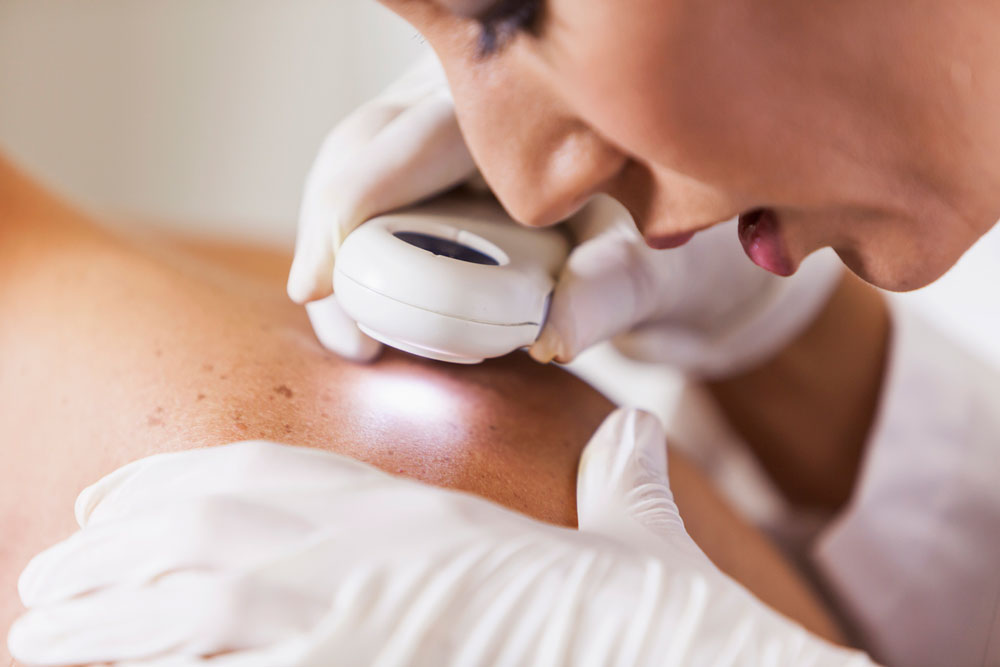
Yes, by including dermatology coverage, with Adeslas health insurance you can make an appointment with a dermatologist whenever you need to.

  • Dermatology consultation

    As this specialty is covered, you will be able to see a dermatologist that is part of the Adeslas health insurance pool to get a check-up or treat any type of skin-related condition or disease.

  • Dermatological prevention

    Furthermore, with this coverage you can take the measures recommended by the specialist to protect your skin and undergo any preventive testing.

  • Unlimited dermatology

    With no limit on the number of appointments: the dermatologist will be at your disposal whenever you need to see one.

What dermatology treatments does Adeslas cover?

Now that you know that health insurance covers a dermatologist, let’s look at the conditions that can be treated.

  • Allergies

    Everything from allergic contact dermatitis to immune responses caused by animals, cosmetics, insects or the sun, going to a specialist can treat skin conditions related to possible allergies. The most common symptoms caused by the latter are:

    • Redness.
    • Swelling.
    • Itching.
    • Burns (excessive heat).
    • Hives (small, reddish bumps).
    • Rashes (inflammation bumps or welts)

Skin allergies can also lead to suffocation or choking, nasal congestion or a runny nose, diarrhoea, sneezing, tearing, wheezing, coughing, vomiting, etc. And sometimes they can put the patient’s health at risk. This is why it is so important to look after your skin by taking out health insurance with a dermatologist.
 

  • Moles or sun spots

    Dermatology coverage also makes it easier to diagnose and treat moles or spots that may be caused by the skin being exposed to the sun.

    • Moles. They should be looked at and, if need be, removed if they pose a health hazard.
    • Spots. They appear mainly on the face, neckline and hands. If the spots develop into keratoses (scaly lesions), they can lead to skin cancer. This is why you must see a dermatologist if you notice any changes in your skin after prolonged exposure to sunlight.
       
  • Skin treatments

Another advantage of being able to see a dermatologist with Adeslas insurance coverage is that you can get skin treatments for:

  • Acne. This is a skin disease characterised by chronic inflammation of the sebaceous glands, especially on the face and back. It needs to be correctly treated early to prevent permanent marks being left.
  • Dermatitis. Treatment for skin inflammation depends on the cause and symptoms, ranging from applying creams, gels or ointments to taking medications. Just like in the previous case, to cure dermatitis you need to be seen by a doctor specialised in diagnosing and treating skin conditions.
  • Psoriasis. This disease causes a rash with red, scaly, itchy patches, on the scalp, trunk, elbows, and knees, in particular. And it requires treatment with corticosteroids, phototherapy, oral or injectable medications, etc.

These are some examples of skin diseases that can be treated by a dermatologist. Our health insurance specialists will look into your case and advise you on the most appropriate treatment.
 

  • Hair diseases or care

    Furthermore, if you take out Adeslas health insurance you will be able to avail of treatments and care for scalp conditions. Among them:

    • Alopecia. Pathological hair loss can be prevented or delayed with medication.
    • Dandruff. The whitish flakes that form on the head can be treated with shampoos, lotions, oral medications, etc.
    • Seborrheic dermatitis. With dandruff as one of the symptoms, along with scabs, itching, oily skin and rashes, of seborrheic dermatitis, it is treated with shampoo or other products to cure it and prevent future outbreaks.


Are aesthetic dermatological treatments covered?

Users of our health insurance can benefit from laser therapy, which, among other purposes, is also used in dermatological surgical interventions.

However, just like with other insurance policies, dermatology coverage does not cover all types of treatments. Therefore, cosmetic or aesthetic treatments aren’t covered.
 

Is there a waiting period before I can see a dermatologist?

Once you have taken out your Adeslas health insurance, you can go see a dermatologist right away. The only waiting period is for laser therapy treatment. Therefore, you need to wait eight months after taking out the policy before you can avail of laser therapy.

How can I find a dermatologist with my Adeslas health insurance?

Finding a dermatologist is easy with your Adeslas health insurance. Our health insurance pool includes more than 1,300 medical centres all over Spain and more than 43,000 professionals from all specialties. Just go to the search engine and select the closest one to your home or wherever you are.

Access the search engine

To sum up, with your Adeslas health insurance you can avail of comprehensive dermatological care whether you choose health insurance without co-payments or health insurance with co-payments; in other words, paying a small amount of money every time you use any of the services included in the policy.

See medical insurance without copay

By the way: health insurance without co-payments includes health insurance with reimbursement of expenses. With this type of policy you can be seen by a specialist outside our health insurance pool to treat skin-related diseases. In that case, you will have to pay for the visit and Adeslas will cover part of the bill.

Go to reimbursement insurance


The answer to all your questions

FAQs

With your Adeslas health insurance you can be seen by a dermatologist to treat different skin conditions. Among other benefits, dermatology coverage includes mole screening.

Dermatologic laser therapy surgery is covered by Adeslas health insurance.

Adeslas vasectomy

What is a vasectomy?

A vasectomy is a safe permanent outpatient surgical procedure for men. It consists of cutting or blocking the vas deferens to prevent the sperm from reaching the semen and causing a pregnancy, without affecting hormonal production or sexual performance.

It is a highly effective contraception method but does not protect against sexually transmitted diseases (STDs). After the operation, a semen analysis is required to confirm the absence of sperm.

This procedure is performed by a urologist and is considered to be a definitive option for male family planning.
 

Does Adeslas cover the vasectomy?

Adeslas covers the vasectomy in the healthcare and refund policies, within the family planning section.

 This coverage includes: 

  • Control of the procedure with birth control pills. 
  •  Implantation and supervision of the IUD (including the cost of the device). 
  • Tubal ligature and vasectomy. 
  • Sterility or infertility diagnostic studies (serological, hormonal, karyotype, hysterosalpingograms in women and spermiograms in men). 

Important:

  • Abortions, embryo reductions, sterility and infertility treatments and surgery to revert tubal ligation and vasectomies are expressly excluded. 
  • Outpatient products (Go, Basic, etc.) do not include vasectomies, since it is a surgical procedure. 

Conditions and requirements

  • Policy required: healthcare assistance and refund. 
  • Qualifying period: 6 months in individual policies. 
  • Specialist: the operation is performed by urologists. 
  • Subsequent test: a semen analysis is required to confirm the absence of sperm. 


How to request an appointment for a vasectomy with Adeslas?

  1. Appointment with the urologist specialist

    Access your Healthcare Provider System and request an appointment with a urologist.

  2. Request the operation

    During the appointment, the urologist will assess your case and, if appropriate, they will indicate the need to perform a vasectomy.

  3. Request authorisation

    Follow the steps to request your authorisation here.

  4. Request your appointment for the operation

    Once you have the authorisation, manage your surgery appointment through the urologist with which you made the appointment.
     

Frequently asked questions about your vasectomy at Adeslas

Yes, since it is a surgical operation, it normally requires authorisation. Confirm it with your policy before scheduling your appointment. 

Adeslas does not cover the vasectomy reversal, since it is expressly excluded in the General Terms and Conditions. 

Can private health insurance be deducted on your tax return?

Having medical insurance provides peace of mind and gives you access to healthcare services without long waiting times; but it can also come with tax benefits. Not all taxpayers can deduct private health insurance expenses on their tax returns, but it is possible in some cases. 

Who can avail of these tax benefits?

Below, we’ll look at the FAQs about health insurance and tax returns if you’re self-employed, a company, or an employee:

  • Medical insurance taken out by the self-employed.

A self-employed person who files their economic activities through direct tax assessment in their personal income tax returns can deduct health insurance costs for themselves, their spouse, and children under 25 who live with them, provided they do not exceed €500 per person/year, or €1,500 if one of them has a disability.  

  • Health insurance taken out by companies or self-employed workers for their employees.

Companies and self-employed individuals alike who take out health insurance for their employees and their families as part of a benefit in kind can deduct this cost, either from their Corporate Income Tax or from Income Tax, as appropriate, provided they comply with the justification and accounting requirements set out in the regulations.

  • Employees with health insurance taken out by their company or employer

From the worker’s perspective, the health insurance taken out by their company or employer to insure them, their spouse, and their children is not considered income in kind for personal income tax purposes, provided this cost does not exceed €500 per insured person, or €1,500 in the case of a disabled person. 
 

Can individuals deduct their health insurance expenses from their personal income tax return?

Unlike cases in which insurance is taken out for an employee by their company or employer, or by a self-employed person, which are subject to the tax treatment indicated above, if health insurance is taken out privately, it cannot be deducted from personal income tax returns. 

In any case, each situation should be looked at on a case-by-case basis, as regulations may vary depending on the Autonomous Community the individual resides in.
 

What other insurance policies can impact personal income tax?

Some insurance policies other than health insurance can also impact personal income tax returns. For example:

  • Home insurance, in the case of rentals, taken out by the property owner. 
  • Worker liability or occupational accident insurance,, if paid by the company. 

In any case, we recommend keeping all documentation and speaking to a tax advisor about each specific situation.  

This content is for informational purposes only and does not constitute tax advice. 


What are pre-existing conditions in health insurance?

When taking out health insurance, you need to be aware that most policies require you to fill in a health questionnaire, in which you must answer all the questions accurately and fully before the policy can be approved and taken out.

Health questionnaire, in which you must answer all the questions accurately and fully before the policy can be approved and taken out. Some of the questions included in the health questionnaire relate to illnesses, injuries, or medical conditions the insured person had before taking out the insurance policy. In insurance terminology, these are known as pre-existing conditions.  

As previously stated, a pre-existing condition refers to any medical condition, injury, or illness that the insured has had before taking out the policy or being added to the policy. For instance, if you’ve been diagnosed with diabetes or have undergone major surgery prior to taking out the insurance, these circumstances are considered pre-existing conditions and must be disclosed in the health questionnaire.

It is of utmost importance to disclose any medical conditions, injuries, or illnesses you had before taking out the insurance, as pre-existing conditions can affect coverage, the cost of the insurance, and even whether your application is accepted by the insurance company. Pre-existing conditions are meticulously reviewed to weight up the level of risk the insurer would be taking on

Here, we provide a complete overview of pre-existing conditions, how they are dealt with at SegurCaixa Adeslas, and what they mean for you.

Pre-existing conditions and health questionnaire

When applying for health insurance, SegurCaixa Adeslas may ask you to fill in a health questionnaire. All illnesses, injuries, or medical conditions you’ve had prior to applying must be disclosed. This allows us to weigh up the risk to be covered. You are required to answer the health questionnaire honestly. If you have any questions or would like more information about "What is a health questionnaire," please consult our article.

What illnesses are considered pre-existing conditions in health insurance?

Here are some examples of diseases, injuries, or conditions we request information about in the SegurCaixa Adeslas health questionnaire. Some related questions are:

  • Are you currently taking any medications prescribed by your doctor (such as for diabetes, antidepressants, anxiolytics, antihypertensives, diuretics, or anti-inflammatory drugs)? If yes, which ones, since when, why?
    Disease?
  • Do you suffer or have you ever suffered from a heart or vascular disease (e.g: hypertension, infarction, angina, arrhythmia, murmurs, valvular defects).
  • Have you ever applied for or been granted recognition of invalidity on grounds of an illness or due to an accident? If yes, please indicate the degree of disability, the type of disability and its medical cause.

Please be aware that these are just examples, and the health questionnaire may include additional questions. At SegurCaixa Adeslas, the presence of any of these conditions does not automatically result in exclusion, but may lead to a specific risk assessment, specific exclusions, or a waiting period for certain coverages being included in the policy.
 

What happens if I do not declare a pre-existing condition in an insurance policy?

To learn about the consequences of intentionally not providing or omitting data in the health questionnaire, read the article.
What is a health questionnaire?
 

What is the difference between a pre-existing condition and a waiting period?

Although they are often confused, they are very different:

  • Pre-existing condition: Illness or condition prior to the time of taking out the insurance.
  • Waiting period: Time that must elapse before certain coverages take effect.

If you’re considering taking out health insurance, always keep in mind how pre-existing conditions work. The expert SegurCaixa Adeslas team will assist you in finding the option that best suits your needs and support you throughout the entire process.
 

Is it legal to let a flat without home insurance?

A growing number of landlords are wondering whether it is legal to let a flat without insurance before putting their property on the market. The question mainly arises when landlords seek to reduce their expenses, or when they do not understand the legal obligations associated with letting a property.

Even though there is no general requirement in Spanish law, there are certain specific situations in which taking out home insurance is mandatory or strongly recommended. 

In this article, we will answer questions about the legality of letting without insurance, the risks involved in that decision, the benefits of having the right protection and who should be responsible for taking out a policy. We will provide all the information you need to make the best decision for a rental property.

Is it mandatory to have home insurance to let a flat?

There is no legal obligation in current Spanish legislation that requires landlords to have home insurance to rent out a property. However, there are certain instances in which it is mandatory to have insurance or where it is practically essential.

When there is a mortgage. Spanish legislation establishes a specific obligation for certain situations along with specific coverage requirements. Thus, Article 10 of Royal Decree 716/2009, of 24 April, developing certain aspects of Act 2/1981 on regulating the mortgage market, establishes that assets on which there is a mortgage guarantee must have insurance for damages, covering at least the following items:

  • Fire damage to the property.
  • Other damage: for example, hail or freezing weather.

Clauses in the lease

Even though there is no generalised legal requirement to do so, many landlords include a clause in the lease that requires insurance for one or both parties. When this clause is included and has been signed by both parties, non-compliance can lead to the termination of the lease as it is a breach of contract.

Prudent recommendation

Even when you can let the property without insurance, the most prudent course of action is to take out insurance that protects the property and to avoid future financial and legal issues.

Risks of letting a property without home insurance

Letting a property without the proper protection exposes the landlord to multiple risks that can have serious financial consequences:

  • Third-party liability without insurance
    Without a policy that includes liability coverage, the owner must personally assume all damages caused to third parties.
  • Expenditures in the case of fire
    With no insurance to cover damages, any incident, such as a fire, flood or theft, means that the landlord is wholly liable for all repair and replacement costs.
  • Prolonged loss of income
    If the property is seriously damaged with no insurance coverage, it may be inoperative for months while repairs are carried out. During that time, the landlord will lose monthly rental income with no kind of compensation.
  • No protection against natural disasters
    Events such as floods, earthquakes, storms or hail can lead to large-scale damage. However, the landlord will have to cover these expenses in full, which could seriously compromise their financial situation.
  • No financial recovery
    Without insurance, a serious fire can have a significant effect on the property and the landlord’s financial stability, especially if the property makes up a significant portion of the landlord’s assets or income source.


Benefits of having home insurance

Having home insurance for a rental property carries multiple advantages that protect the landlord’s investment and provide peace of mind. These can be summarised as follows:

  • Comprehensive financial protection.
    Home insurance covers expenses stemming from a host of accidents or losses, such a fires, floods, breakages, thefts or weather phenomena, safeguarding the owner from having to make unexpected outlays that could be very high.
  • Civil liability coverage included
    Civil liability protects the landlord in the event of third-party claims for any damage caused at the property. This is fundamental when there is water damage or other incidents that affect neighbours or third parties.
  • Peace of mind for all parties
    Both the landlord and the tenant have that security that in the event of certain unforeseen circumstances, there is an insurance company that will take responsibility for the necessary repairs.
  • 24-hour customer service
    Most home insurance policies include emergency services such as plumbing, a locksmith, electricity or glazing that are available 24 hours a day, 365 days a year. This is particularly useful in rental properties where the landlord is not always available.
  • Legal protection
    Many policies include legal fees and damage claims, providing legal advice and representation in the event of property-related conflicts in regard to both the tenant and third parties.
  • Flexible contents coverage
    Even if the property is empty or partially furnished, you can insure appliances, furniture and other items for theft or damage. This is particularly useful in furnished lets.
  • Personalised coverage
    Home insurance policies offer great flexibility, making it possible to personalise the coverage according to the property’s specific needs and the landlord’s preferences.
  • Compensation for loss of rent
    Some policies include coverage for loss of rent, compensating the landlord financially if the property is uninhabitable after a fire and rent cannot be charged while the repairs are being carried out.

Who should take out home insurance in a rental flat?

The landlord’s responsibility

It is recommended that the landlord insures the building, namely the fixtures: walls, floors, ceilings, installations such as heating, plumbing and electrics, civil liability stemming from the property and the various risks that can affect the building.

This is the most advisable and usual option, as the landlord has a direct interest in protecting the property itself. Also, as we said before, if there is an existing mortgage on the property, the banking entity will require the landlord to take out appropriate insurance for damages.

The tenant’s responsibility

The tenant can, and in many cases should, take out their own contents insurance to protect their personal belongings: furniture, appliances, clothing, valuables and other assets that enter the property. This insurance is not required by law, but is highly advisable for their own protection.

Moreover, the tenant’s insurance policy should include civil liability for damages that they themselves cause during their time there, be that down to negligence or because of an accident. For example, if they leave a tap running and it causes water damage to neighbouring flats, their civil liability insurance will cover these claims.

Some leases expressly establish that the tenant must take out their own insurance policy, specifying the minimal coverage required. This clause is perfectly legal and binding once the lease is signed.

In short, the most prudent thing is for both parties to have their own respective policies: the landlord for the building and the tenant for the contents and their own civil liability. This dual protection guarantees full coverage in any eventuality.

What should always be borne in mind is that regardless of who takes out the insurance, be it the landlord or the tenant, the person who holds the interest will be deemed to be the insured party. That is, the owner of the asset damaged by the accident or loss that is covered.

La respuesta a todas tus preguntas

Preguntas frecuentes

El pago del seguro de hogar depende fundamentalmente de lo establecido en el contrato de alquiler firmado entre ambas partes. No existe una norma legal que obligue específicamente a una u otra parte a asumir este coste, por lo que debe negociarse y quedar reflejado por escrito.

Generalmente, el propietario es quien paga el seguro del continente (la estructura de la vivienda), ya que es su propiedad y tiene responsabilidad sobre su conservación y mantenimiento. Este seguro protege su inversión y cubre los daños estructurales que puedan producirse.

El inquilino, por su parte, suele hacerse cargo del seguro de contenido si desea proteger sus pertenencias personales, así como de una cobertura de responsabilidad civil que proteja frente a daños causados por su uso de la vivienda.

Si ocurre un siniestro en un piso de alquiler que no cuenta con seguro de hogar, las consecuencias pueden ser graves y costosas tanto para el propietario como para el inquilino.

Por ejemplo, el propietario deberá asumir la totalidad de los costes de reparación sin ninguna compensación económica de una aseguradora. Esto puede suponer desde cientos hasta decenas de miles de euros dependiendo de la gravedad del siniestro. Por ejemplo, un incendio o una inundación grave pueden requerir reformas integrales del inmueble.

Subscribe to